
WHAT WE DO · BOTULINUM TOXIN
For chronic migraine specifically — 15 or more headache days a month — Botox (botulinum toxin) is one of the better-evidenced preventives available. For anything less frequent, it is not indicated. That line is the whole of the eligibility talk.
Does Botox work for every kind of migraine?
The evidence and the license both sit with chronic migraine. That means headache on 15 or more days a month for more than three months. At least eight of those days have migraine features. Trials in episodic migraine did not show benefit. Trials in chronic tension-type headache did not either. That is unusually clean guidance. It is why counting comes first.
So the first question is not whether you want it. It is what your two numbers are: headache days and medication days.
What happens during a Botox for migraine appointment?
- A fixed injection pattern across the forehead, temples, back of the head, neck and shoulders. It is a standard set of sites, not one made up on the spot.
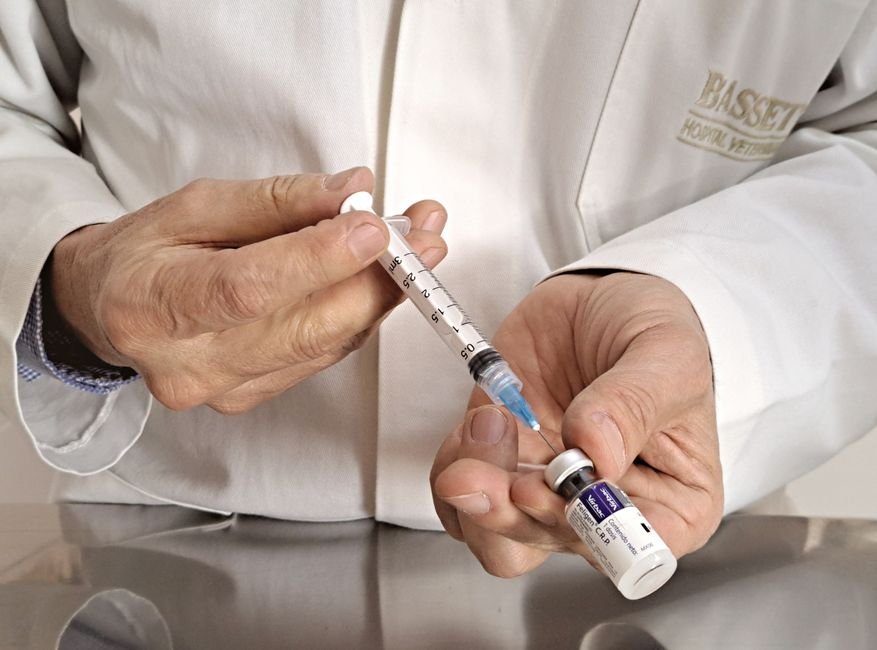
- Very fine needles, a few minutes in total.
- No sedation. Most patients drive themselves home and are back to normal activity within two to four hours.
- Repeat about every twelve weeks, because that is how long the effect lasts.
- Judge it after two cycles, not one. The second is often better than the first. Judging too early is the usual reason people quit a treatment that would have worked.
What does Botox do for migraines?
It cuts the number of headache days. It is not an abortive (a drug that stops an attack). It will do nothing for an attack in progress, so an acute plan stays alongside it. Realistic success is fewer days and milder ones, not zero.
WORTH KNOWING BEFOREHAND
- Brief neck weakness or a heavy-feeling brow can happen. It settles.
- Eyelid droop is uncommon and depends on technique.
- It does not treat an overuse layer. If you take something on ten or more days a month, that gets unwound first. If not, the result is judged unfairly.
How does Botox work for migraines?
It does not work by relaxing muscles. Botulinum toxin appears to reduce the release of pain neuropeptides (pain signal chemicals) from peripheral trigeminal endings. That lowers the input that keeps central sensitization going. So think of it this way. It turns down the peripheral drive so a sensitized system can reset.
That is also why the rest matters. Two whole-body drivers keep sensitization high: metabolic inflammation and broken sleep. They are not touched by an injection. It does not touch the third either, a work pattern with no recovery in it. The injection buys a window. What fills it decides whether cycle three beats cycle one.
Frequently asked questions
Do I qualify?
If you have 15 or more headache days a month for over three months, likely yes. Below that it is not indicated. See the chronic migraine threshold.
How long before it works?
Some effect shows within two to four weeks. The second cycle is often better than the first. Give it two cycles before judging.
Is it the same as cosmetic botox?
Same molecule, different pattern, different doses, different purpose. The headache plan uses a set map of sites. It is not a cosmetic treatment.
What if it does not work?
Then we stop it and try something else. The point is a preventive with a stated goal that gets reviewed. See the other options.
What are the side effects of Botox for migraines?
The ones worth knowing beforehand are brief neck weakness or a heavy-feeling brow. Both settle on their own. Eyelid droop is uncommon and depends on technique. The injections use very fine needles and take a few minutes in total. There is no sedation. Most patients drive themselves home and return to normal activity within two to four hours.
How often do you get Botox for migraines?
About every twelve weeks, because that is about how long the effect lasts. Each visit uses the same fixed set of injection sites. They cover the forehead, temples, back of the head, neck and shoulders. The result is judged after two cycles, not one. The second cycle is often better than the first.
Will Botox stop a migraine that has already started?
No. Botox is a preventive, not an abortive. It cuts the number of headache days. It does nothing for an attack already in progress. So your acute plan stays in place alongside it. Realistic success means fewer headache days and milder ones, not zero.
Can I get Botox if I take headache medicine most days?
The overuse gets handled first. Botox does not treat a medication-overuse layer. If you take something for headache on ten or more days a month, that pattern is unwound before the injections are judged. Skip that step and a treatment that could have worked gets an unfair verdict.
Read next
Count first, then decide
Eligibility here is a number, not an opinion. Two weeks of a diary settles whether this is even the right conversation.
12174 Natural Bridge Rd, Suite 304
St. Louis, MO 63044
Next to DePaul Hospital, off the I‑270 and I‑70 junction, west of the airport.
Sources
- Lanteri-Minet M et al. Effectiveness of onabotulinumtoxinA (BOTOX®) for the preventive treatment of chronic migraine: A meta-analysis on 10 years of real-world data. Cephalalgia : an international journal of headache, 2022. PubMed 36081276
- Giri S et al. Randomized controlled studies evaluating Topiramate, Botulinum toxin type A, and mABs targeting CGRP in patients with chronic migraine and medication overuse headache: A systematic review and meta-analysis. Cephalalgia : an international journal of headache, 2023. PubMed 36856015
- Gómez-Dabó L et al. Effectiveness and Safety of OnabotulinumtoxinA in Adolescent Patients with Chronic Migraine. Toxins, 2024. PubMed 38787073
- Lindsay R et al. The safety and efficacy of onabotulinumtoxinA injections for children and adolescents with chronic migraine: A systematic review and meta-analysis. Headache, 2024. PubMed 39129275