
WHAT WE DO · CGRP-TARGETED TREATMENT
CGRP treatments block calcitonin gene-related peptide. That is the pain-promoting peptide released from trigeminal nerve endings during a migraine attack. Blocking it cuts how often attacks come. They are given as monthly or quarterly antibody injections, or as oral tablets.
They are the first preventive class built for migraine, not borrowed from another field. That one fact explains most of what sets them apart. It covers how well people tolerate them and the rules for getting them.
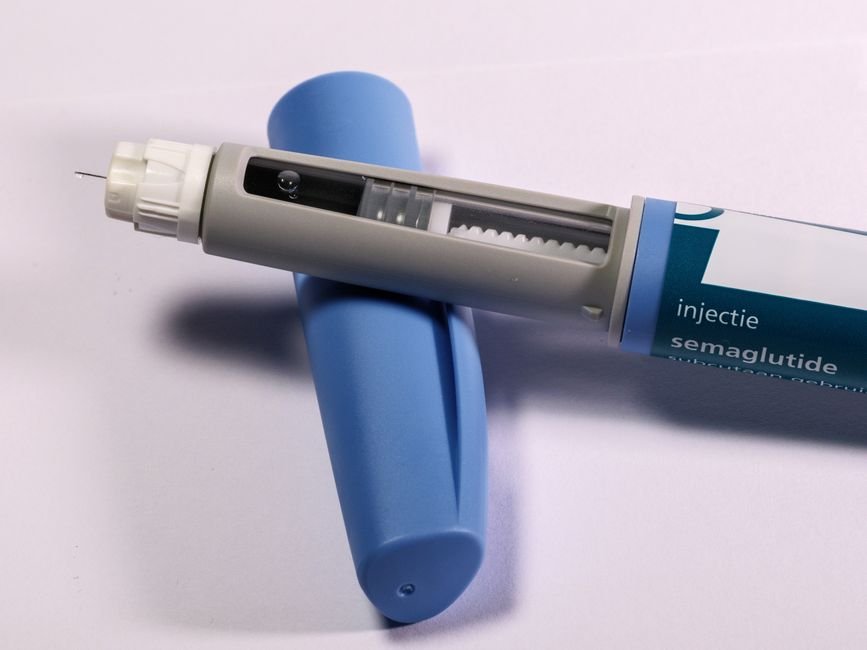
What is CGRP, and how do CGRP inhibitors work?
Calcitonin gene-related peptide is a neuropeptide, a signal molecule made by nerves. It is released from trigeminal nerve endings during an attack. It widens blood vessels and boosts pain signals, and levels rise during migraine. Blocking it cuts how often attacks come. The block can hit the peptide itself or its receptor, the docking site it binds to. Scientists worked out the mechanism first and built the drugs to fit it. The older preventives came the other way around.
What types of CGRP treatments are there?
- Monoclonal antibodies — injections given monthly or quarterly. They are used for prevention only.
- Small-molecule antagonists — pills by mouth. Some work both as an acute treatment and as a preventive.
For most people, the real difference is how the drug is taken and how hard it is to get. It is not a large gap in effect.
Why they are usually not first
Not because they work less well. Insurers generally want a written record that two or more older oral preventives failed first. Each one has to have been tried at a full dose for long enough. Only then will they approve. That is a benefit rule, not a medical one, and it is worth calling it that.
That makes it more important to run those earlier trials properly. A preventive stopped at three weeks is an incomplete trial. It may still be logged as a failure. That sounds like it helps access. In practice it builds a record that does not match what was really tried. Bring your doses and how long you took each one. Why complete trials matter.
WHAT TO EXPECT REALISTICALLY
- A real drop in headache days is the goal. Zero is not.
- Judge it over about three months, not three weeks.
- Generally easier to tolerate than older oral classes. Injection-site reactions and constipation are among the more common complaints.
- It does not treat a medication overuse layer. That layer has to be unwound first, or the result gets judged unfairly.
The part that is still on you
A well-aimed drug does not remove the drivers. Metabolic inflammation and insulin resistance keep the attack threshold low. Broken sleep keeps next-day sensitivity high. A week with no recovery in it keeps reloading both. The people who do best on these drugs usually use the window the drug opens. They change something basic about how the week is built.
Frequently asked questions
Are CGRP treatments better than older preventives?
Easier to tolerate for many people, and built for migraine. The size of the effect is broadly similar to well-tolerated older drugs. The edge is often that people stay on them.
That is the subject of Prevention is a category. Most people are given one half of it.
Why do I have to fail other drugs first?
It is an insurer access rule, not a medical need. See how authorization works.
How long before I know?
About three months. Judging at three weeks is the most common way a working treatment gets thrown out.
Can I use them with botox?
Doctors do use the two together for chronic migraine. Whether it fits you is a clinical decision. See botulinum toxin.
Is blocking CGRP safe?
For many people, these treatments are easier to tolerate than the older oral preventives. That is often why people stay on them. Injection-site reactions and constipation are among the more common complaints. Whether a CGRP treatment suits you, and which one, is a clinical decision. It is made from your history and what you have already tried. It is judged over about three months.
What is the best CGRP treatment for migraine?
There is no single best one for everybody. Monoclonal antibodies are injections given monthly or quarterly, for prevention only. Small-molecule antagonists are pills by mouth. Some work both for an attack and as a preventive. For most people, the real difference is how it is taken and what the plan will approve. It is not a large gap in effect.
Around this decision
Bring the doses and durations of what you have tried
Access to this class runs on that record, and most people have never been asked to keep it.
12174 Natural Bridge Rd, Suite 304
St. Louis, MO 63044
Next to DePaul Hospital, off the I‑270 and I‑70 junction, west of the airport.
Sources
- Charles AC et al. Calcitonin gene-related peptide-targeting therapies are a first-line option for the prevention of migraine: An American Headache Society position statement update. Headache, 2024. PubMed 38466028
- Caronna E et al. CGRP monoclonal antibodies and CGRP receptor antagonists (Gepants) in migraine prevention. Handbook of clinical neurology, 2024. PubMed 38307640
- Edvinsson L et al. CGRP as the target of new migraine therapies – successful translation from bench to clinic. Nature reviews. Neurology, 2018. PubMed 29691490
- Wattiez AS et al. Calcitonin gene-related peptide (CGRP): role in migraine pathophysiology and therapeutic targeting. Expert opinion on therapeutic targets, 2020. PubMed 32003253