
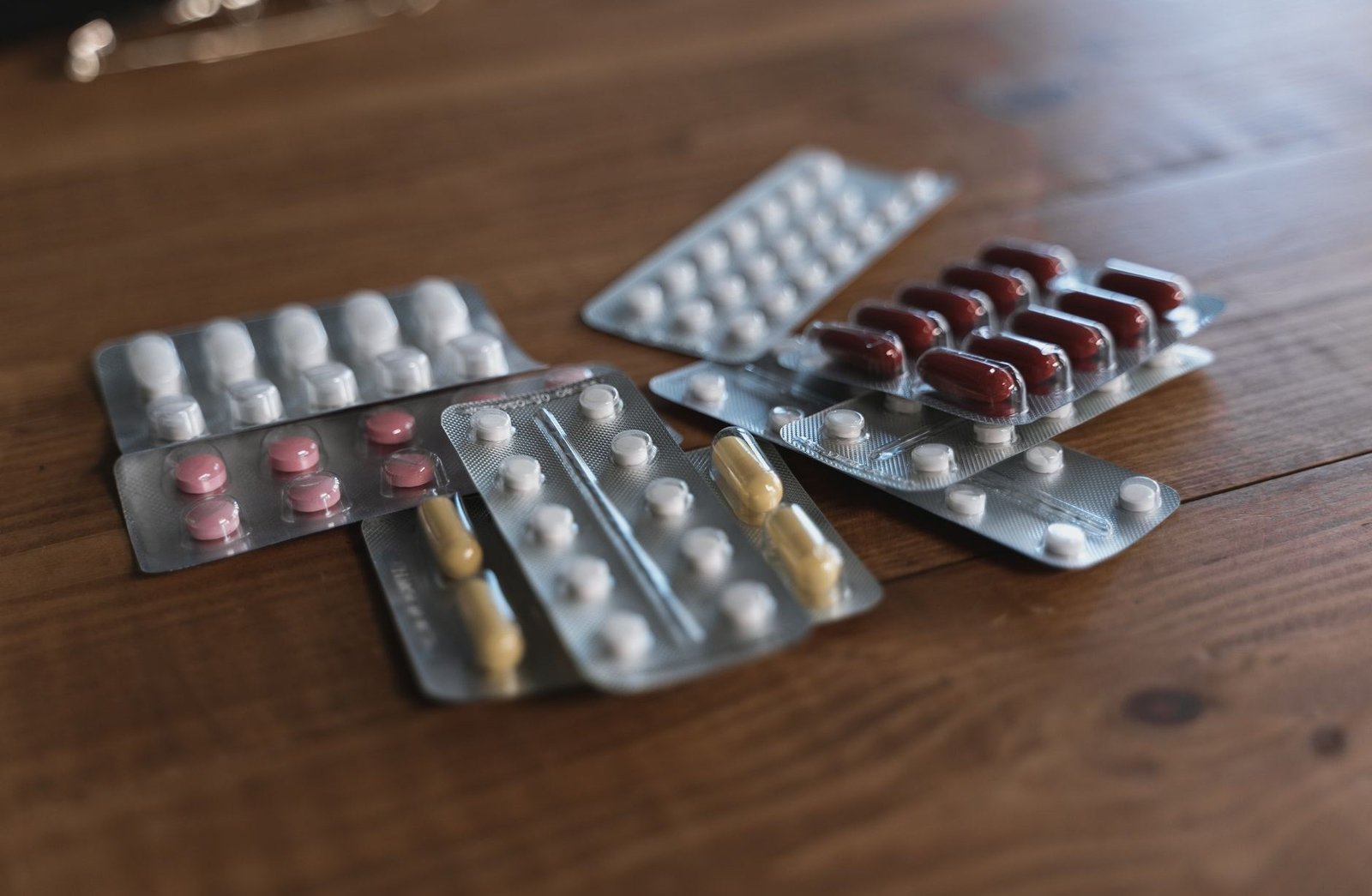
MEDICATION OVERUSE
Medication overuse headache is headache driven by the treatment itself: simple painkillers on 15 or more days a month, or triptans and combination painkillers on 10 or more, for over three months. It is a pharmacological effect, not an addiction, and it is reversible.
It is the most common reason an episodic headache becomes a daily one, and almost nobody arrives suspecting it — because the medication genuinely works every time you take it.
Why do painkillers cause rebound headaches?
The trap is that each dose does what it promises. You take it, the headache lifts, and the evidence of the drug’s usefulness is immediate and personal. What is not visible in that moment is the direction of the trend line: headaches becoming more frequent over months, the medication needed earlier in the day, and the interval between attacks quietly shrinking.
Mechanistically this is a change in central pain processing rather than a moral failing or an addiction. Regular exposure alters descending inhibition and lowers the threshold at which the trigeminovascular system fires, so the brain becomes easier to provoke. The person is doing exactly what they were told to do, with a drug that was appropriately prescribed.
It is worth saying that plainly because the diagnosis is frequently delivered as an accusation, and patients hear it that way. It is a pharmacological effect, it is common, and it is reversible.
How many days of painkillers cause medication overuse headache?
- Simple analgesics — acetaminophen, ibuprofen, naproxen: 15 or more days a month for over three months.
- Triptans, ergots, opioids, or any combination analgesic: 10 or more days a month, same duration. The combination products are the most potent offenders and the least suspected, because they are sold over the counter.
- Caffeine-containing combinations deserve their own mention. Caffeine treats the headache and causes the headache, and it hides inside a great many headache tablets.
Count the days rather than the tablets. Two doses on one day is one day; one dose on fifteen separate days is fifteen. That distinction is where most people discover they qualify.
How long does a rebound headache last after you stop?
Worse before better, and the honest timeline is two to ten days of increased headache with the worst of it in the first week. Some people can do this abruptly with a plan and support; others need a bridge, and there are established approaches for both. What does not work is stopping without a preventive in place, because the underlying headache disorder is still there and it is about to be unmasked.
This is the part that matters: withdrawal alone treats the overuse, not the migraine. Prevention has to be started alongside it, and the newer CGRP-targeted preventives have been used successfully in this specific situation, which was not true of the older options.
How do I know if I have a rebound headache?
Three questions. Are you treating headache on ten or more days a month? Has the frequency increased over the last several months rather than stayed flat? Do you take something at the first hint of a headache, in case it becomes a bad one?
Three yeses does not confirm it, but it moves this to the front of the list. Fifteen seconds a day for two weeks settles the question more reliably than memory does — people consistently underestimate treatment days by a wide margin, and that is not dishonesty, it is how memory works with routine actions.
The medication still working but not lasting is a related but different pattern, and the two are often confused.
Frequently asked questions
What does a rebound headache feel like?
Each dose still works, which is why it is hard to spot. What changes is the trend over months: headaches come more often, you reach for medication earlier in the day, and the gap between attacks quietly shrinks. It is a change in how the brain processes pain, not an addiction and not a moral failing, and it is reversible.
How do you break a rebound headache?
Stop the overused medication with a plan, and start prevention at the same time. Some people can stop abruptly with support; others need a bridge, and there are established approaches for both. Stopping without a preventive in place does not work, because the underlying headache disorder is still there. The newer CGRP-targeted preventives have been used successfully in exactly this situation.
How can I tell a migraine from a rebound headache?
Often not until the overuse is addressed, because the overuse hides what the underlying headache really is. Three questions help: are you treating headache on ten or more days a month, has the frequency climbed over recent months, and do you take something at the first hint of pain? Three yeses moves medication overuse to the front of the list.
How often do you have to take Tylenol to get rebound headaches?
For simple painkillers such as acetaminophen (Tylenol), ibuprofen and naproxen, the threshold is 15 or more days a month for over three months. For triptans, ergots, opioids and combination painkillers it is 10 or more days a month. Count days, not tablets: two doses on one day is one day, and one dose on fifteen separate days is fifteen.
This one is reversible, and worth being wrong about
If you are treating headache on most days, the question of what your underlying headache actually is cannot be answered until the overuse is addressed.
12174 Natural Bridge Rd, Suite 304
St. Louis, MO 63044
Next to DePaul Hospital, off the I‑270 and I‑70 junction, west of the airport.
Sources
- Ashina S et al. Medication overuse headache. Nature reviews. Disease primers, 2023. PubMed 36732518
- Gosalia H et al. Medication-overuse headache: a narrative review. The journal of headache and pain, 2024. PubMed 38816828
- Rizzoli P. Medication-Overuse Headache. Continuum (Minneapolis, Minn.), 2024. PubMed 38568489
- Green MW. Medication overuse headache. Current opinion in neurology, 2021. PubMed 33709972