
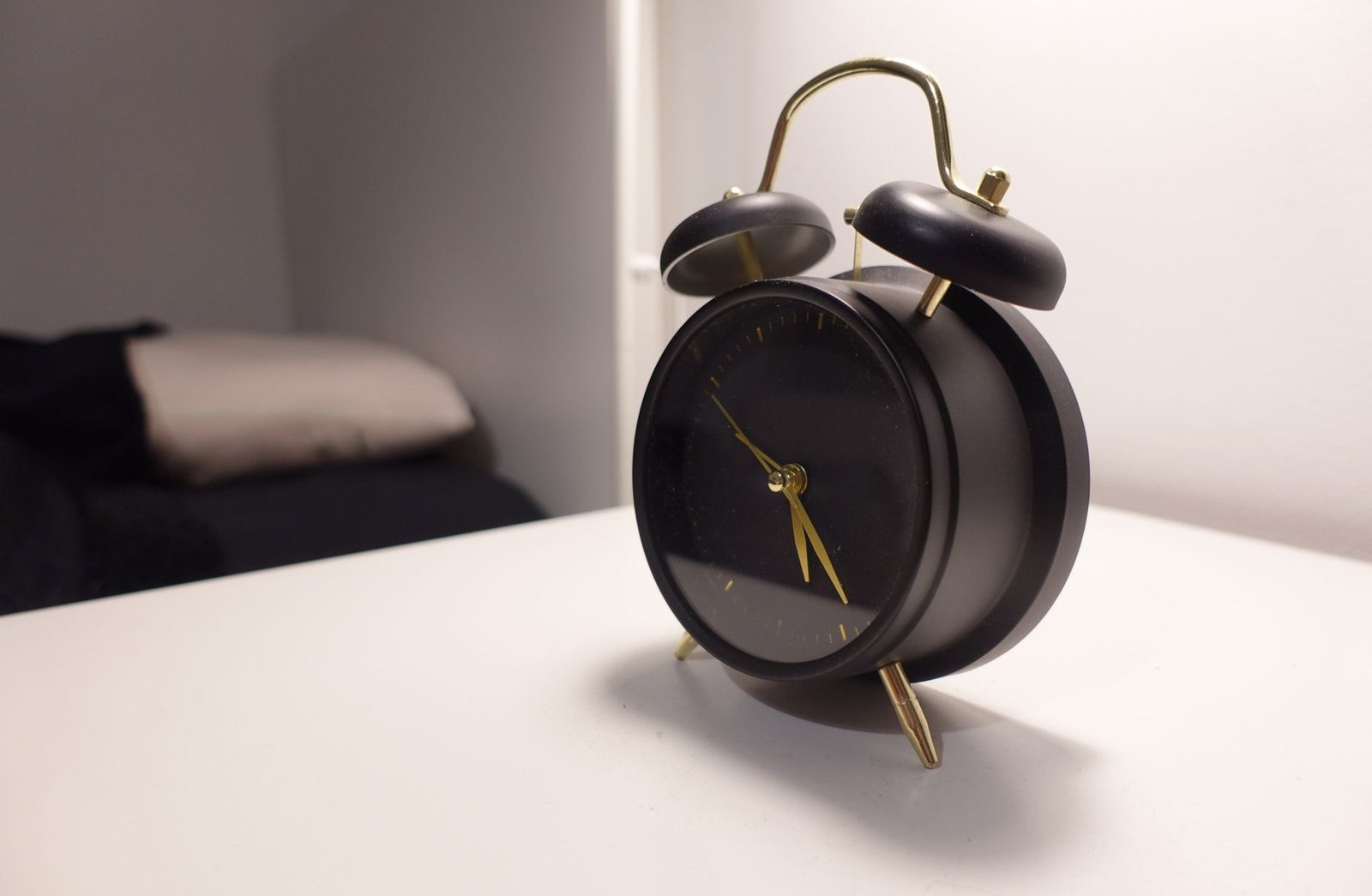
SAME TIME
A headache at the same time every day usually runs on an outside clock: caffeine wearing off, poor sleep or sleep apnea, the working day, or a medication dose wearing off. Cluster headache and hypnic headache run on the body’s internal clock.
A headache with a clock is unusual and diagnostically valuable. Very few conditions keep time, and knowing which ones do narrows the list faster than almost anything else you can report.
Why does a headache come at the same time every day?
The hypothalamus is the body’s clock and it sits at the center of several headache disorders. That is not a loose analogy — imaging and large observational work have established genuine circadian structure in cluster headache in particular, with attack timing clustering around specific hours and around seasonal transitions in a way chance does not explain. Migraine shows a weaker but real circadian signal, and chronotype is associated with attack timing.
So when someone says “it comes at four every afternoon,” that is a finding. The useful next question is which clock — internal, or the schedule of your day.
Which headaches run on the body’s internal clock?
- Cluster headache. The most clock-like headache there is. Attacks at the same hour, frequently in the early hours of the morning, in bouts that themselves recur seasonally. Severe, one-sided, with a red or watering eye, and the person paces rather than lies still. That detail is half the diagnosis, and the treatment that aborts most attacks in fifteen minutes is almost never offered.
- Hypnic headache. Rare, and almost exclusively in people over fifty. It wakes you at the same time each night, lasts from fifteen minutes to a few hours, and then lets you sleep. It has a distinctive treatment and is frequently misread as something more sinister. Waking with it and being woken by it are different sentences.
What daily habits cause a same-time headache?
- Caffeine withdrawal. If your last coffee is at ten and the headache begins around two, the mechanism is not mysterious. This is the single most common reason for a same-time headache and the easiest to test — move the timing, not the amount, for a week.
- Sleep architecture. Headache present on waking most mornings raises obstructive sleep apnea, and the association between sleep-disordered breathing and morning headache is well described. Snoring, unrefreshing sleep and a partner’s report matter here. A bad night is a dose, and the bill arrives the next afternoon.
- The working day. Late-afternoon headache that resolves at weekends is reporting load, posture duration and screen hours rather than a headache disorder. Worse by Thursday, gone by Sunday, back by Tuesday is the pattern. It is the height and the hours, not the blue light.
- Medication timing. A headache that arrives predictably as a dose wears off is a different problem wearing a schedule. Count days, not tablets.
What should I track before my appointment?
The time, to the nearest half hour, for two weeks. What you had eaten and drunk in the four hours before. What time you woke and whether you felt rested. That is a complete dataset for this question and it takes seconds a day to collect.
One caveat worth stating without inflating it: a headache that is new, progressively worsening, and consistently worse first thing in the morning — particularly with nausea or a change in vision — is a different presentation from everything above. Almost everything here is an appointment; that page is not, and a normal scan excludes a tumor but does not exclude what you have.
Frequently asked questions
Why do I get a headache every day at 4pm?
A headache that arrives at the same hour is a clue, not a coincidence. In the afternoon the usual clocks are outside ones: caffeine wearing off hours after your last coffee, the load and screen hours of the working day, or a medication dose wearing off. If it fades at weekends, the working day is the likely driver. Two weeks of recorded times usually names it.
What are the signs of a cluster headache?
Cluster headache is the most clock-like headache there is. Attacks come at the same hour, often in the early morning, in bouts that recur with the seasons. The pain is severe and one-sided, with a red or watering eye, and the person paces rather than lies still. The treatment that aborts most attacks in fifteen minutes is almost never offered.
How can I tell if a headache is concerning?
A headache that is new, steadily getting worse, and consistently worst first thing in the morning, particularly with nausea or a change in vision, is a different presentation from a headache that simply keeps time. That pattern is not an appointment: read when to go to the ER. Almost everything else on this page is an appointment.
A headache with a clock is a shortcut
Two weeks of times narrows this further than a scan will. Bring the pattern and we can usually name the mechanism at the first visit.
12174 Natural Bridge Rd, Suite 304
St. Louis, MO 63044
Next to DePaul Hospital, off the I‑270 and I‑70 junction, west of the airport.
Sources
- Sutherland HG et al. Circadian Factors in Cluster Headache and Migraine: It’s All About the Timing. Neurology, 2023. PubMed 36990724
- Benkli B et al. Circadian Features of Cluster Headache and Migraine: A Systematic Review, Meta-analysis, and Genetic Analysis. Neurology, 2023. PubMed 36990725
- Lanteri-Minet M. Hypnic headache. Headache, 2014. PubMed 25231430
- Rains JC et al. Sleep-related headaches. Neurologic clinics, 2012. PubMed 23099138
- van Oosterhout W et al. Chronotypes and circadian timing in migraine. Cephalalgia : an international journal of headache, 2018. PubMed 28944680