
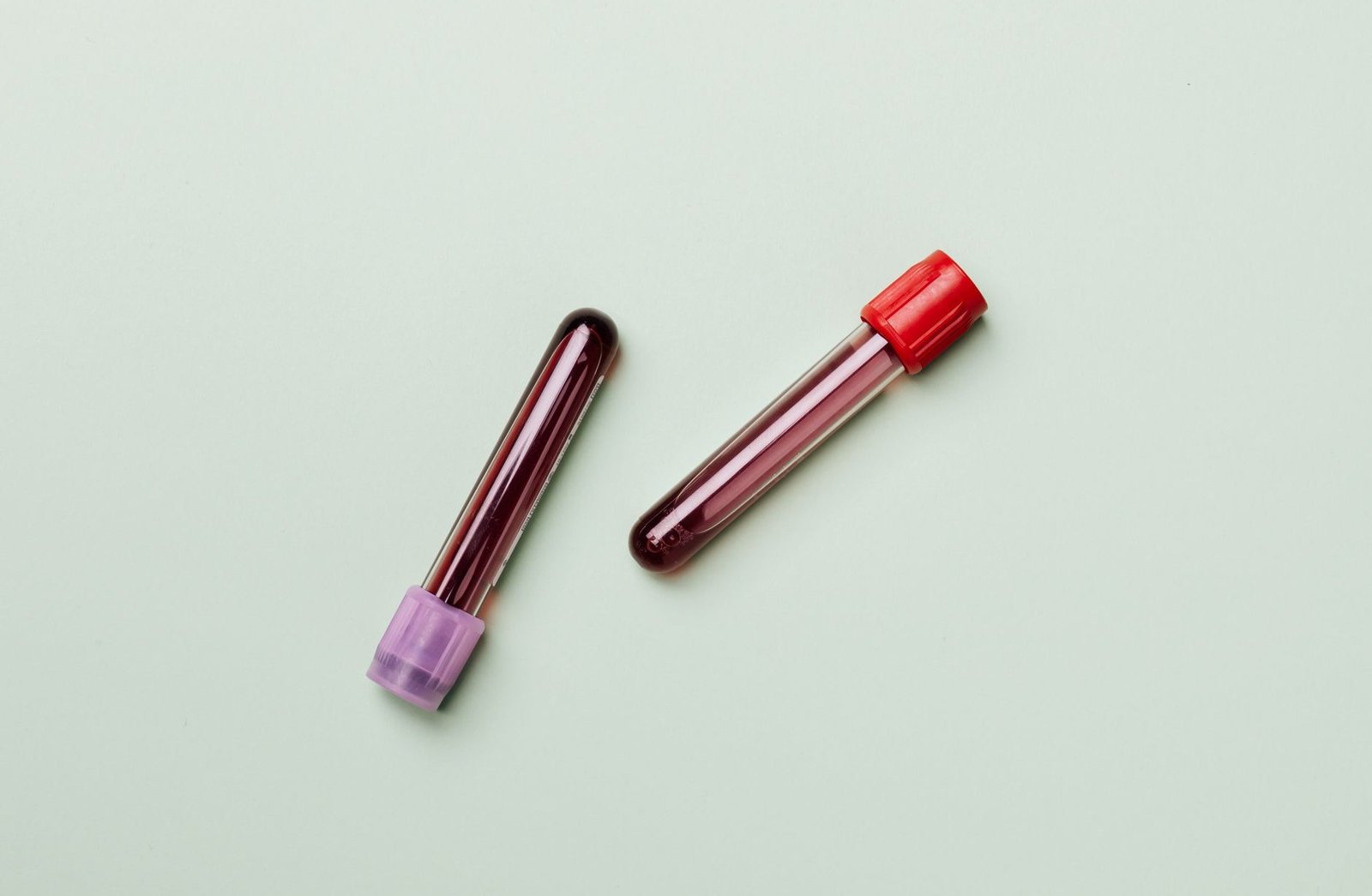
WHAT AM I LACKING
Daily headache is rarely caused by a deficiency; the type of headache and the medication already being taken matter more. Magnesium, riboflavin, coenzyme Q10 and vitamin D have real evidence in migraine prevention, and iron is worth a ferritin test rather than a supplement.
The deficiency question is one of the most searched questions about headache and one of the least well answered. Those four have real evidence behind them, one is worth a blood test rather than a supplement, and most of what is sold has neither.
Can a vitamin deficiency cause daily headaches?
Daily headache is very rarely a deficiency disease. If you have headache on more days than not, the dominant question is what type it is and whether the treatment you are already taking is driving it — not which vitamin you are short of. Daily headache is usually a stack rather than one problem, and the medication is a more common cause than any nutrient.
That said, several nutrients have been studied properly for migraine prevention, the studies are not marketing, and the ones that work are cheap. It is a reasonable thing to ask about. It is just not the first question.
Which supplements help prevent migraines?
- Magnesium. The best supported of the group for migraine prevention, with a coherent mechanism — magnesium influences cortical excitability and the threshold for spreading depression, which is the physiology of aura. Oral magnesium is well studied for prophylaxis, and there is separate literature on intravenous magnesium in acute attacks. Loose stools are the dose-limiting effect, and the form matters for that reason.
- Riboflavin (vitamin B2). Studied at doses far above dietary intake, with the rationale that migraine involves mitochondrial energy metabolism and riboflavin is a cofactor in it. The systematic review evidence is modest but real, and it takes two to three months to judge — which is why most people conclude it does not work.
- Coenzyme Q10. The same mitochondrial rationale, with randomized data supporting a reduction in attack frequency. Again slow, again cheap, again abandoned early.
- Vitamin D. Lower concentrations are associated with migraine across a substantial literature, and correction is reasonable when you are actually deficient. Association is not the same as cause here, and we test rather than assume.
Notice the shared feature: all four are metabolic, all four act on how efficiently a neuron makes and uses energy, and none of them is a painkiller. That is the correct mental model for prevention generally. Prevention is a category, and most people are given half of it.
Can low iron cause headaches?
Iron. Iron deficiency anemia is associated with chronic daily headache and with migraine, particularly in menstruating women, and the association is strong enough that ferritin belongs in the workup rather than in a guess. Supplementing iron you do not need is not benign, which is the difference between this one and the four above.
If you are a woman with heavy periods and daily headache, ferritin is one of the most useful single tests available to you, and it is ordered far less often than it should be. It is the drop that does it, not the level — and the two mechanisms frequently travel together.
Will supplements alone stop frequent headaches?
We check what is checkable and treat what is deficient, and we say plainly that this is an adjunct. A person with fifteen headache days a month does not get better on magnesium alone, and presenting it that way wastes three months of their life.
What it is genuinely good for: raising the threshold slightly, in a treatment plan that already has a diagnosis in it, at a cost and side-effect profile that is hard to argue with. “I have tried everything” is usually four things, and this is often not among them.
Frequently asked questions
What am I lacking if I get headaches every day?
Usually nothing a supplement fixes. Daily headache is very rarely a deficiency disease; the type of headache and the medication you already take matter more. If a lack is involved, iron is the one to test: iron deficiency anemia is associated with chronic daily headache, particularly in menstruating women, and a ferritin test answers the question better than a guess.
What vitamin helps reduce headaches?
Riboflavin (vitamin B2) and vitamin D have real evidence, alongside magnesium and coenzyme Q10. Riboflavin supports the energy metabolism migraine involves and takes two to three months to judge. Vitamin D is worth correcting when you are actually deficient, which we test rather than assume. None of them is a painkiller: they work as prevention, added to a treatment plan that already has a diagnosis in it.
Is magnesium good for headaches?
For migraine prevention, magnesium is the best supported of the nutrients studied. It influences how excitable the brain’s cortex is and the threshold for the spreading wave behind aura. Oral magnesium is well studied for prevention, and intravenous magnesium has its own literature in acute attacks. Loose stools limit the dose, which is why the form you take matters.
Bring the diary before the supplement list
Two weeks of pattern tells us more than any panel. Then the bloodwork answers a specific question rather than a general one.
12174 Natural Bridge Rd, Suite 304
St. Louis, MO 63044
Next to DePaul Hospital, off the I‑270 and I‑70 junction, west of the airport.
Sources
- von Luckner A et al. Magnesium in Migraine Prophylaxis-Is There an Evidence-Based Rationale? A Systematic Review. Headache, 2018. PubMed 29131326
- Thompson DF et al. Prophylaxis of migraine headaches with riboflavin: A systematic review. Journal of clinical pharmacy and therapeutics, 2017. PubMed 28485121
- Sazali S et al. Coenzyme Q10 supplementation for prophylaxis in adult patients with migraine-a meta-analysis. BMJ open, 2021. PubMed 33402403
- Singh RK et al. Association between iron deficiency anemia and chronic daily headache: A case-control study. Cephalalgia : an international journal of headache, 2023. PubMed 36739514
- Ghorbani Z et al. Vitamin D in migraine headache: a comprehensive review on literature. Neurological sciences : official journal of the Italian Neurological Society and of the Italian Society of Clinical Neurophysiology, 2019. PubMed 31377873